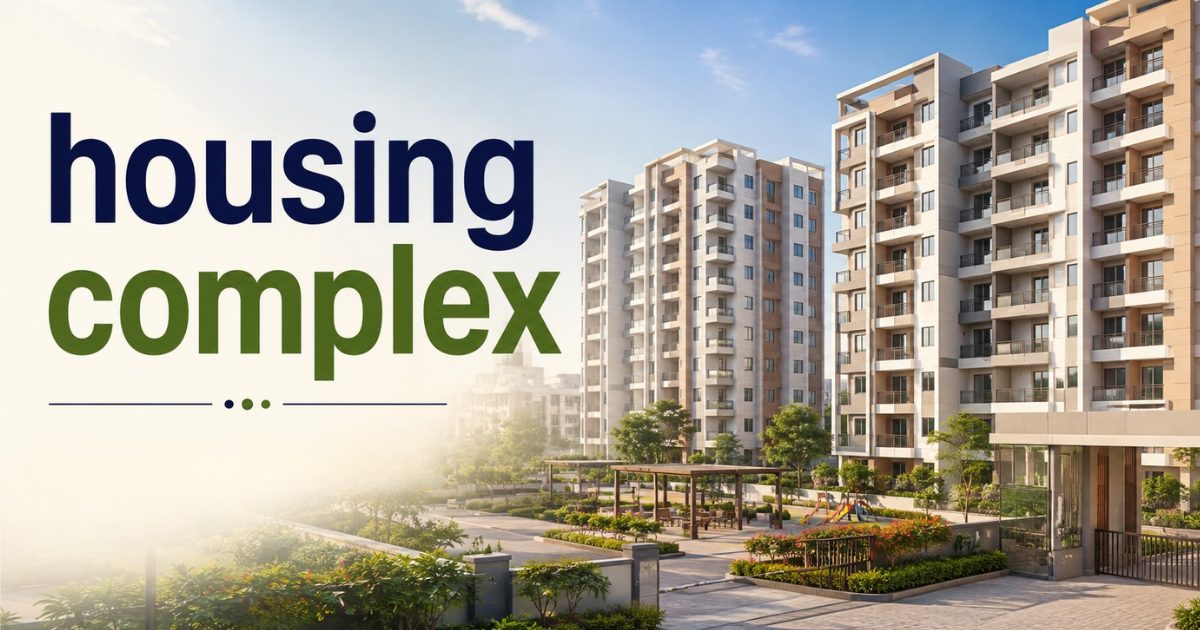
I still remember walking into my first housing complex site visit years ago and feeling instantly relieved. No more worrying about security on my own, no more chasing plumbers for water supply issues.
That single visit changed how I look at home buying. More people across Indian cities and satellite towns are choosing planned residential communities over standalone properties. Urbanization is moving fast, and India is seeing a genuine shift toward planned communities. These communities offer quality housing in a safe, well-organized environment for every kind of family.
Buyers now include everyone from first-time buyers to seasoned investors. Even people looking at peripheral areas near growing employment hubs and Tier-2 cities are jumping in. This guide walks you through the infrastructure development and government housing initiatives shaping this market. By the end, you’ll know exactly what to check before you sign on for your structured, secure living experience.
What Is a Housing Complex?
A housing complex is simply a cluster of residential buildings standing together on a shared plot of land. I always tell friends to think of it as a mini neighborhood built with intention.
Builders design these developments with common areas, well-planned infrastructure, and shared amenities. Most people could never afford these facilities on their own in a standalone home.
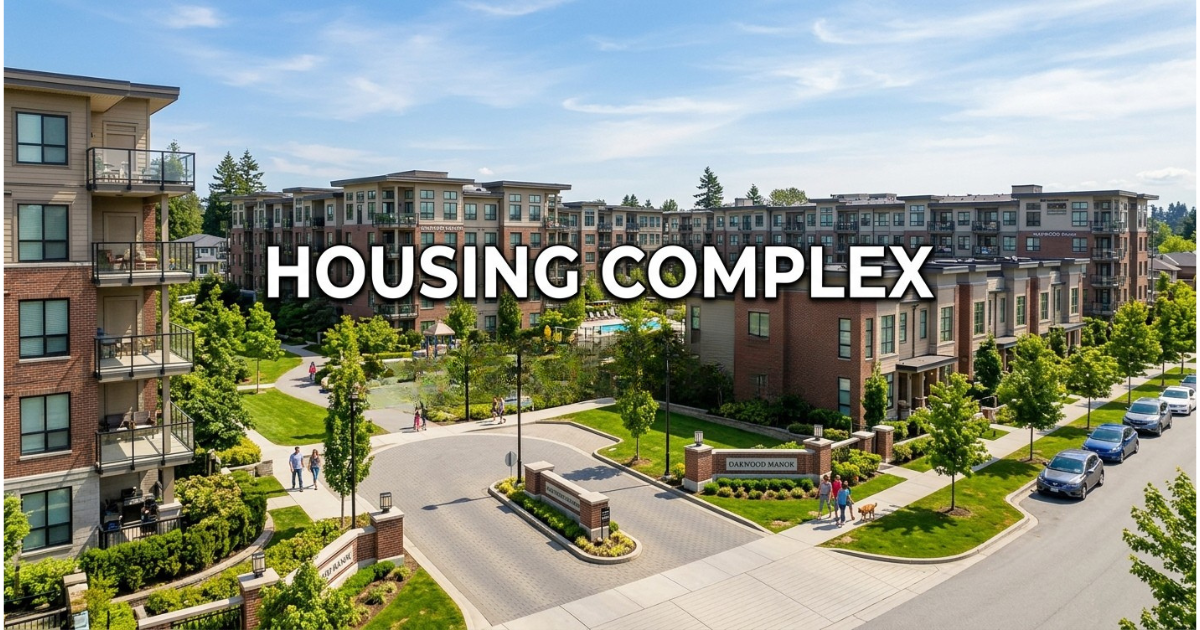
Whether you’re young professionals, growing families, or senior citizens, this setup works. Security systems, gated entry, and recreational areas genuinely suit every one of these age groups.
This is exactly why demand for planned residential projects keeps climbing every single year. The sense of community you feel among residents rarely happens in an isolated setup.
Key Features of a Modern Housing Complex
Every good modern housing complex I’ve toured has one thing in common: real thoughtful design. Developers now chase sustainability, visual appeal, and genuine daily convenience for every resident.
It shows the moment you walk through Gated entry with CCTV surveillance watching every access point. Trained Security personnel keep proper visitor records at all hours. Beyond safety, you’ll find Green spaces, jogging tracks, and landscaped gardens built for healthy lifestyles. Peaceful walking paths and recreational zones boost quality of life for the whole neighborhood.
Reliable utilities matter just as much in any well-run housing complex. Round-the-clock power backup stops disruptions during remote work, while water supply through treated pipelines adds real hygiene. Covered parking, open parking, and even EV charging stations serve environmentally aware buyers. And when it comes to unwinding, a proper clubhouse with a gym and indoor games brings lasting lifestyle value.
Why Choose a Housing Complex Over Independent Houses?
I get asked this constantly: independent houses versus a planned community, which one wins? A housing complex delivers stronger security, richer shared amenities, and a far more vibrant social environment.
Independent homes do offer more personal space without the organized infrastructure of a housing complex. But Maintenance costs work out lower per household because shared expenses for security and landscaping get split fairly.
This makes quality living genuinely more affordable for every household type in the community. On the money side, Resale value stays consistently stronger in well-managed planned communities. Buyers actively chase established amenities, green zones, and solid road connectivity in these projects. Property values in these urban zones tend to appreciate faster than most standalone properties.
There’s also something harder to quantify: a genuine sense of pride that comes from an organized layout. Active resident associations build a real neighbourhood atmosphere, lasting friendships, and a support network.
Location Matters Most
If there’s one lesson I never skip, it’s this: Location decides almost everything about daily happiness. A spot near schools, hospitals, and daily markets always wins over a fancier building in the wrong place.
Solid road connectivity plus public transport access adds enormous value to daily life. Proximity to employment hubs matters enormously for working professionals and dual-income families. Many new residential projects now cluster along major expressways and metro corridors. This gives residents faster commute access and shorter travel times into the city.
Don’t ignore Social infrastructure either — malls, parks, restaurants, and fitness centers nearby lift lifestyle value. Well-connected neighborhoods always beat remote areas or undeveloped areas for long-term living conditions.
Legal and Documentation Checklist
This is the part people rush through, and I’ve watched friends regret it. Before booking any home, verify the RERA registration number first. An RERA-registered project guarantees builder accountability, real transparency, and timely possession of your unit. Go through the builder-buyer agreement line by line before signing any contracts.
Check for clean title deeds, approved layout plans, and sanctioned building drawings early on. Confirm the occupancy certificate along with completion status for any ready-to-move properties.
Also ask upfront for the internal road plan and every utility approval document. Proper approvals for water, electricity, and sewage connections are what make booking a smooth move.
Vastu and Design Considerations
A lot of Indian homebuyers, me included, weigh Vastu Shastra principles before choosing a new home. A solid modern housing complex usually builds in Vastu-friendly layouts and smart unit orientations from the start. Good unit placement lets positive energy move freely through the living space. East-facing units catching that first morning sunlight remain a favorite among Indian families.
Open balconies, well-ventilated rooms, and cross ventilation noticeably lift quality of life. When design and Vastu principles work together, the result feels genuinely harmonious.
Don’t overlook the smaller stuff either: efficient floor plans and generous storage space matter daily. Well-designed kitchens and bathrooms with quality fittings make everyday comfort far better than it looks on paper.
Investment Benefits of Planned Communities
Beyond comfort, a housing complex doubles as a solid financial move. I say this from watching my own property value grow steadily over the years. Real estate in planned residential projects has proven itself as a reliable long-term investment. Infrastructure development around these projects pushes market value upward year after year.
Rental income stays attractive too, especially near metro lines and expressways. Rental demand holds strong near busy commercial zones, because young professionals actively hunt for well-planned homes.
On top of that, Home ownership brings real income tax benefits under Indian tax laws. Your residential unit becomes a stable asset and a genuinely tangible asset that builds wealth over time.
Tips to Choose the Right Home
Here’s what I tell every first-time buyer: always walk the project site yourself before you touch any funds. Check construction quality, the materials used, and the overall building finish closely. Look into the developer’s history with previous projects before committing any money.
Match everything to your lifestyle goals and long-term investment plan for the years ahead. Finally, scan the surrounding area for social amenities and future infrastructure plans. A well-chosen home in the right housing complex will serve your family for decades.
Understanding the Legal Framework behind a Housing Complex
Buying into a large Housing Complex also means understanding how the Promoter and Allottee relationship works. Most buyers skip this part on paper and regret it later. The Promoter may later develop an adjacent land parcel and create a passage way through your housing complex. This uses an irrevocable License deed signed with the Owners of that Adjoining land, binding on every Apartment Owners.
Since large projects grow through project-wise development and phase-wise development, details shift across each Phase. The Common areas and amenities may shift in design, though a completed phase itself stays untouched.
Repairing, rebuilding, and renewing of every exterior part keeps things in substantial repairs. Worn parts or damaged parts get properly replacing over time as needed. Once earlier phases finish, the Promoter grants subsequent phases a formal right of easement. This covers shared pathways, passages, roads, and corridors running through the older sections.
Costs like Insurance premium covering the Towers protect against earthquake, fire, and civil commotion. Every Allotter pays based on carpet area of their Apartment relative to the whole project, including Future Extensions.
If a dispute arises over the Agreement’s terms and conditions or the rights and obligations of the Parties, it goes to mutual talks first. Failing that, it moves to the adjudicating officer under the Act governing common purposes.
EXPENSES here cover maintenance, management, and administration of shared Installations and services. These get split between Co-owners and Co-Lessees exactly as laid out in SCHEDULE-L.
Where Affordable Housing Complexes Are Growing Across India
The bigger picture across India shows the affordable housing market growing well beyond the usual big cities. This growth is driven by urbanization, government housing initiatives, and steady infrastructure development near employment hubs.
Pune, Maharashtra leads with its booming IT sector and manufacturing sectors fueling constant housing demand. Areas like Wagholi, East Pune, and the Hinjawadi Periphery show strong rental demand and solid capital appreciation.
Ahmedabad, Gujarat benefits from manufacturing, trade, and the rise of GIFT City nearby. SG Highway offers mid-segment residential projects, backed by Low entry costs and rising economic growth.
Kolkata, West Bengal stands out as one of India’s affordable major cities, where Metro expansion drives fresh development. Rajarhat Extensions, New Town, Garia, and Sonarpur all see Residential development riding on new metro connectivity.
Lucknow, Uttar Pradesh is riding infrastructure-led development through the Outer Ring Road and Purvanchal Expressway. Fresh plotted developments mark it as an emerging high-growth market with low entry prices.
The National Capital Region (NCR) rounds things out, with Greater Noida, Noida Extension, and Sohna offering real value. This segment carries genuine high-risk, high-reward dynamics where returns depend on smart project selection.
Final Thoughts
Every angle we’ve covered points to one thing: a well-chosen housing complex genuinely changes how you live. I’ve seen friends move in stressed about security and settle within months into a calmer, more connected routine. Do your homework, walk the site, and read every document before deciding. Pick a housing complex that actually fits your life for the years ahead.
FAQs
What does this term actually mean?
It refers to a group of residential buildings built on a shared plot of land, offering common areas, security, and shared amenities to all residents.
Is this setup better than an independent house?
Such a development offers stronger security, shared amenities, and lower per-household maintenance costs, while independent houses offer more personal space but less organized infrastructure.
What documents should I check before buying such a property?
Always verify the RERA registration number, builder-buyer agreement, title deeds, approved layout plans, and occupancy certificate before booking.
Does location matter more than amenities here?
Yes, location near schools, hospitals, employment hubs, and transport links has a major impact on daily convenience and long-term property value.
Is buying a home in this type of community a good investment?
Yes, planned residential projects in growing infrastructure zones tend to appreciate steadily and offer strong rental demand near metro lines and commercial areas.
