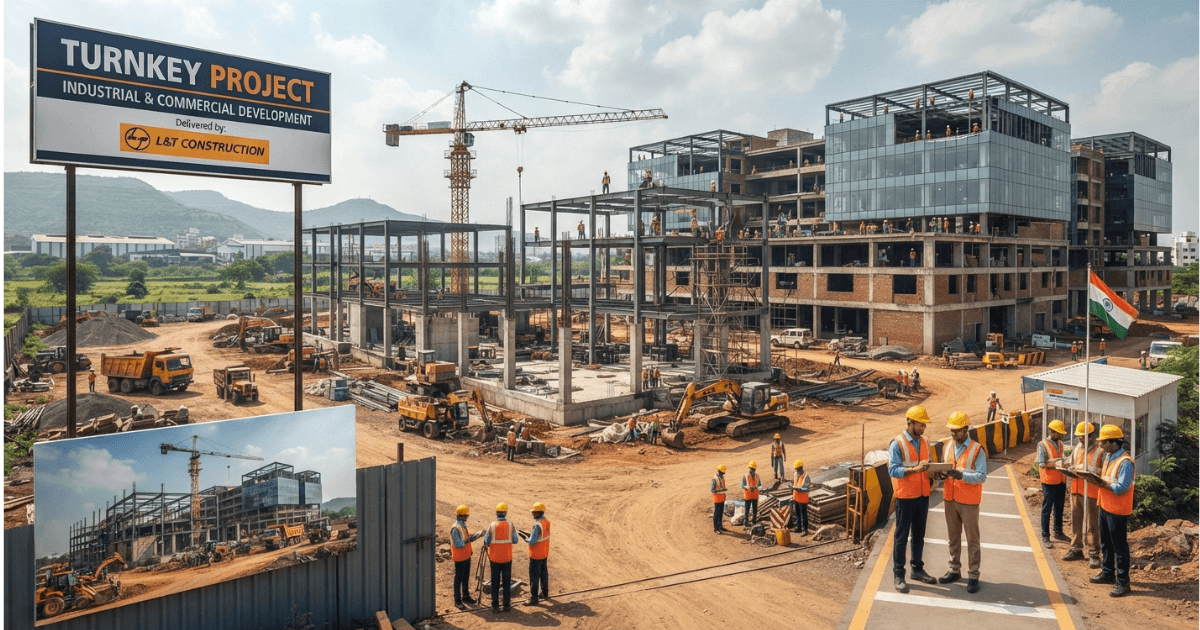
Turnkey Project have changed the way India builds pharmaceutical plants, medical device units, and other industrial facilities. Instead of managing several separate contractors, a business can hire one company to run the whole job.
This single partner can handle planning, design, construction, procurement, and final commissioning under one clear plan. Turnkey Project also cover exports, where an Indian firm delivers a ready facility to an overseas buyer.
The goal stays the same either way: hand over a working plant, not just finished walls. A well-run build of this kind saves time, cuts risk, and keeps the whole job on one steady timeline.
What Is a Turnkey Project?
A turnkey project is a delivery model where one contractor manages the full job, from the first design sketch to final handover. The client does not need to deal with separate firms for each task.
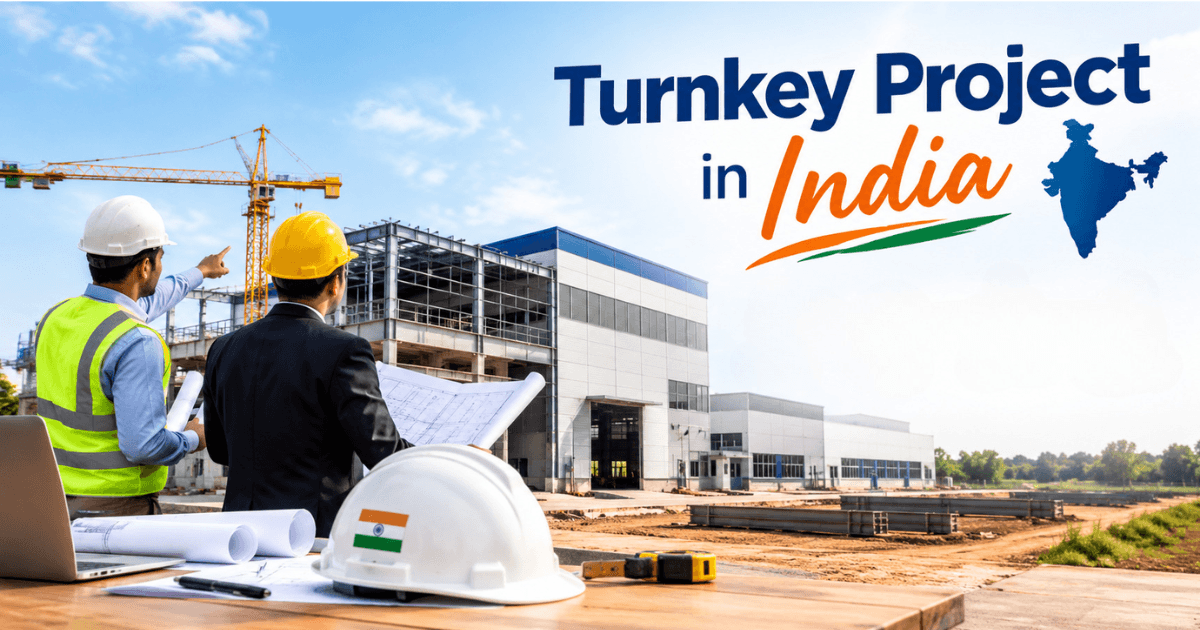
This usually includes feasibility studies, engineering, civil construction, equipment installation, testing, and commissioning. Large builds like airports, ports, bridges, and industrial plants often follow this same approach.
This model works well because one team carries the full responsibility, so the finished facility is ready to run the day it opens, without extra coordination on the client’s side.
Why Turnkey Project Are Chosen
Pharmaceutical and medical device businesses often pick Turnkey Project because they offer one point of responsibility instead of many. This cuts delays that happen when different contractors depend on each other.
Regulatory planning also improves when it starts at the design stage, which prevents costly changes later. Civil work, HVAC, clean rooms, and utilities all move together instead of clashing.
Because everything runs through one team, budgets become clearer and this approach usually finishes faster than fragmented builds handled by separate vendors.
How a Turnkey Project Is Executed
A strong turnkey project starts with a clear business goal, followed by a full feasibility study covering technical, financial, and regulatory angles. Technology selection comes next, based on output, quality, and future growth needs.
Regulatory approvals, detailed engineering, and vendor selection follow, before civil construction begins on site. Mechanical and electrical installation happens once the structure is ready.
Testing and commissioning check that every system works before the client takes over. On export deals, the process also includes a contract agreement, execution, and a final handover once performance targets are met.
Challenges in Turnkey Projects
Even a well-planned build of this kind can run into trouble when the scope is unclear from the start. Weak feasibility studies lead to wrong budgets, tight spaces, and mismatched equipment layouts.
Late deliveries, labour shortages, and design changes often cause construction delays. Poor documentation and unclear responsibilities between the client and contractor can lead to disputes later.
Choosing vendors on price alone usually brings quality problems, and overseas contracts of this kind add extra risk through foreign exchange exposure, local taxes, and international rules.
Top Turnkey Project Companies in India
Tracc Global, based in Gurugram, focuses on pharmaceutical and medical device facilities, covering regulatory work under CDSCO, ISO 13485, and MDR 2017. Inotek Pharma Infrastructure builds formulation units and clean rooms for pharma and biotech clients.
Fab tech Technologies supports biopharmaceutical infrastructure, while Pharma docx Consultants handles plant setup and regulatory documentation. QxP Pharma Project & GMP Services focuses on GMP-driven planning and layouts.
Operon Strategist works on medical device manufacturing, and Vivanta Industries supplies equipment-led solutions. KN Murthy Pharma Consultants, JD Pharma Consultants, and ACE Clean room Technologies round out this list of ten firms active in this space across India.
Services Included in a Turnkey Project
A full turnkey contract usually moves through clear stages. Planning covers feasibility studies and budgeting, while design covers layout, engineering, and clean room planning.
Construction includes civil work, flooring, and partitions, and the equipment stage covers procurement, installation, and commissioning. Utilities work brings in HVAC and water systems.
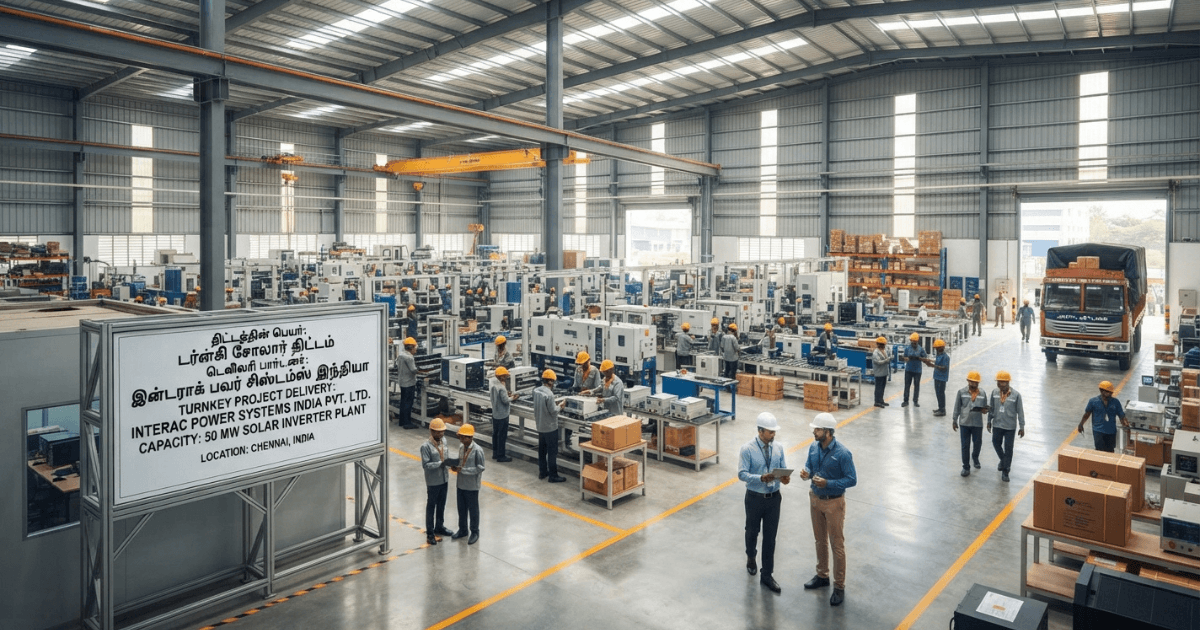
Validation adds IQ, OQ, and PQ checks, and the regulatory stage covers licensing and GMP compliance. Post-handover support includes training, QMS, and audit help.
How to Select the Right Turnkey Project Company
Choosing a partner for Turnkey Project takes more than comparing prices. Look for real industry experience in your specific sector, not just general construction work. Check regulatory knowledge against standards like CDSCO, GMP, and ISO 13485. Ask for a clear written service scope, since construction alone is not a full solution.
Confirm the team can handle validation and qualification, ask for a realistic schedule with milestones, and check that support continues after handover through training and documentation.
Importance of GMP and Regulatory Compliance
Compliance has to shape a facility from the earliest planning stage, not just at the final inspection. Design, equipment selection, and documentation all affect whether regulatory approval comes through smoothly.
Relevant frameworks depend on the product and target market, and can include GMP requirements, Schedule M, CDSCO rules, ISO 13485, ISO 14644, WHO-GMP, and FDA standards. Building these checks into the plan from day one avoids expensive rework later.
Turnkey Project vs EPC Project
Turnkey and EPC are often used as if they mean the same thing, but they are not identical. EPC stands for Engineering, Procurement, and Construction, and usually covers a defined scope.
This model carries a broader promise: a complete, working facility rather than just finished construction work. Responsibility sits more with the contractor, and coordination stays centralized less than one team. The exact split of duties always depends on the contract terms agreed by both sides.
What Does a Turnkey Project Cost in India?
There is no single price for turnkey projects, since cost depends on sector, plant size, technology, and location. Major cost items include land, civil work, equipment, electrical systems, and automation.
Engineering, project management, testing, and regulatory compliance add further cost, along with a contingency buffer for unexpected issues. A proper feasibility and cost study should always come before final investment approval.
Greenfield vs Brownfield Turnkey Projects
A green field project builds a brand-new facility from empty land, covering everything from roads and power to full regulatory approval. This gives more design freedom but needs extensive planning.
A brown field project instead expands or modifies an existing facility. Teams must work around current buildings and equipment without disturbing ongoing production. Both approaches fall under the same delivery model, but brownfield work needs careful shutdown planning to avoid production loss.
Best Practices for Successful Turnkey Projects
Successful Turnkey Project start with a clear scope written into the contract before construction begins. Setting measurable targets for production, quality, and energy use keeps everyone aligned.
Working only with qualified vendors, and tracking progress against a fixed schedule, catches problems early. Strong documentation, including drawings, approvals, and inspection records, protects both sides later.
Industries That Use Turnkey Projects
Turnkey Project suit many sectors, including pharmaceuticals, chemicals, food and beverage, medical devices, automotive, and electronics. Heavy engineering, metal fabrication, renewable energy, and battery manufacturing also rely on this model. Each industry brings its own technical and regulatory needs, so the exact approach always adjusts to fit the sector involved.
What Are Project Exports from India?
Project exports from India cover engineering goods sold under deferred payment terms, along with overseas Turnkey Project and construction contracts abroad. These deals are often high in value, and competition among international firms is strong. Indian companies running qualifying overseas contracts may need approval from banking or regulatory authorities before work begins.
Important Factors Considered for Turnkey Projects
Before signing an overseas contract, both sides weigh commercial and technical factors together. This includes credit period, interest rate, advance payment, guarantees, and force majeure clauses.
Technical and economic viability also get checked, along with the contractor’s real skill at installation and commissioning. These checks protect both the exporter and the buyer.
Deferred Payment in Project Exports
Large international jobs often involve deferred payment, meaning the exporter does not collect full value right away. The credit period depends on the goods, market competition, and terms agreed with the buyer. Indian exporters may need approval from an authorized dealer whenever deferred payment or special banking facilities are involved in this kind of work.
Post-Award Approval
Some export deals need approval only after the contract is signed but before execution starts. The exporter submits project and contract details through the proper banking channel. This step helps authorities check the commercial, technical, and financial sides of the deal before real work begins on site.
Third-Country Purchases
Sometimes a project needs machinery or materials not sourced from India. Buying from a country other than India or the destination country counts as a third-country purchase. These purchases usually stay within the original project approval, so exporters must plan around foreign exchange rules and payment terms.
Exporting Construction Equipment from India
Indian firms running overseas Turnkey Project often need to send construction equipment abroad. Depending on the permissions in place, this equipment may need to return to India once the project ends. If equipment is sold or rented overseas instead, the proceeds usually need to be repatriated as per the rules.
Progress Reporting During the Project
Monitoring does not stop once a contract is signed. Exporters and subcontractors working on such overseas contracts usually carry ongoing reporting duties throughout execution. This includes periodic progress updates and a final report confirming completion and compliance, and clean records make the final process much easier.
What Happens After Project Completion?
Finishing construction is not the final step on overseas contracts of this kind. Exporters still need to close foreign accounts, cancel guarantees, and settle any outstanding loans.
Local taxes, customs matters, and leftover project equipment also need attention. Eligible funds must be repatriated, and a completion report should be filed within the set period.
Documents Required After Completion
Good documentation makes the closing process far smoother. This usually includes a final handover certificate, an account closure certificate, and a statement confirming funds sent back to India. Tax clearance, import records, and profit-and-loss statements round out the paperwork needed to properly close this kind of contract.
Benefits of Turnkey Project Exports
Turnkey Project open real opportunities for Indian companies chasing global growth and stronger ties with overseas clients. This is really an export of Indian expertise in engineering, construction, and project management.
Bundling products and services into bigger contracts, rather than selling items alone, usually leads to higher-value deals and a stronger international reputation over time.
Conclusion
Turnkey Project continues to simplify how India builds pharmaceutical plants, clean rooms, and specialized manufacturing units. Bringing planning, engineering, construction, and compliance under one roof gives businesses a smoother path to a working facility.
Names like TraccGlobal, Inotek Pharma Infrastructure, Fab tech Technologies, Pharma docx Consultants, and Operon Strategist show the range of expertise inside India’s turnkey project space.
Before signing on, compare experience, regulatory knowledge, project scope, and post-handover support. The right partner turns this kind of build from a stressful job into a dependable one.
FAQs
What is a turnkey project in simple words?
A turnkey project is a job where one company handles everything, from planning to final handover, so the client gets a facility that is ready to use right away.
Why do businesses prefer Turnkey Project over hiring separate contractors?
This delivery model gives one point of responsibility, which reduces delays, coordination problems, and unclear duties that often happen when several vendors work on the same site.
How much does a turnkey project cost in India?
There is no fixed price, since cost depends on the sector, plant size, technology, location, and level of automation. A proper feasibility study helps set a realistic budget early on.
What is the difference between a turnkey project and an EPC contract?
EPC covers a defined scope of engineering, procurement, and construction, while Turnkey Project carries a broader promise to deliver a complete, working facility ready for operation.
What documents are needed after finishing an overseas turnkey project?
Common documents include a final handover certificate, bank account closure certificate, tax clearance, import records, and profit-and-loss statements confirming the project closed properly.
