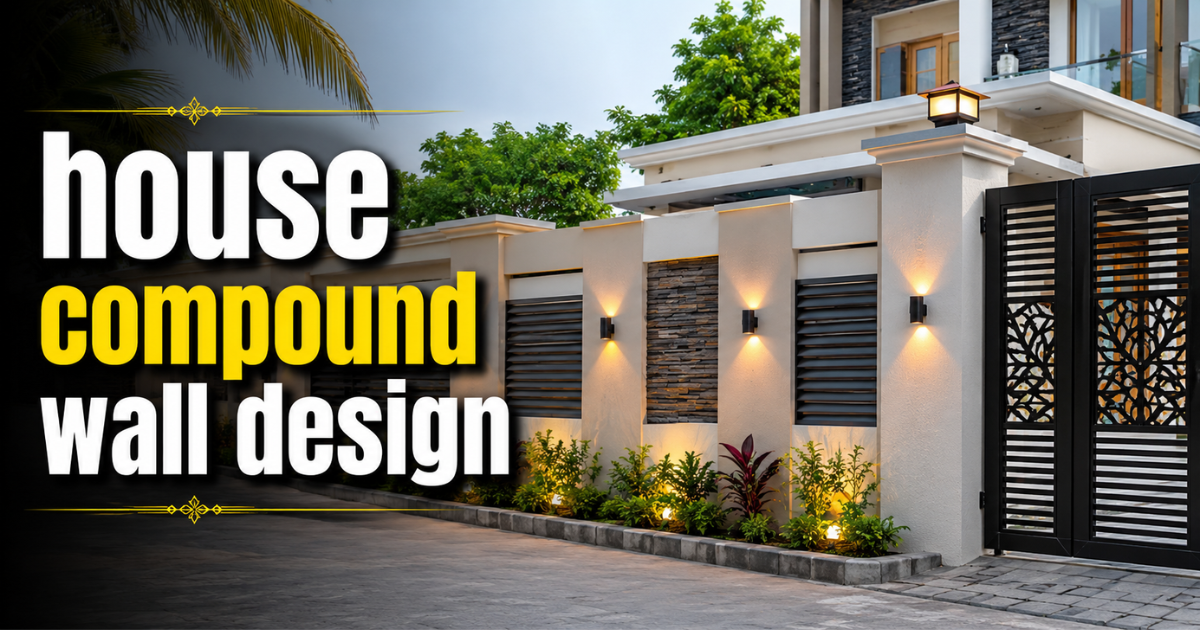
Walk down any street in India, and the first thing that tells you about a house is not the roof it’s the boundary wall. A good house compound wall design gives a property its first impression long before anyone reaches the gate.
The right architectural style, whether it leans traditional or contemporary, sets the tone for the entire home. This is exactly why planning your boundary wall’s design carefully pays off in the long run.
Today’s homeowners have more choice than ever: stone finishes, concrete, brick, metal grills, jali patterns, or green walls. Every compound wall today comes with its own textures, patterns, and finishes suited to almost any plot size. The goal of any house compound wall design is always the same — balance privacy, security, and good looks without stretching the budget.
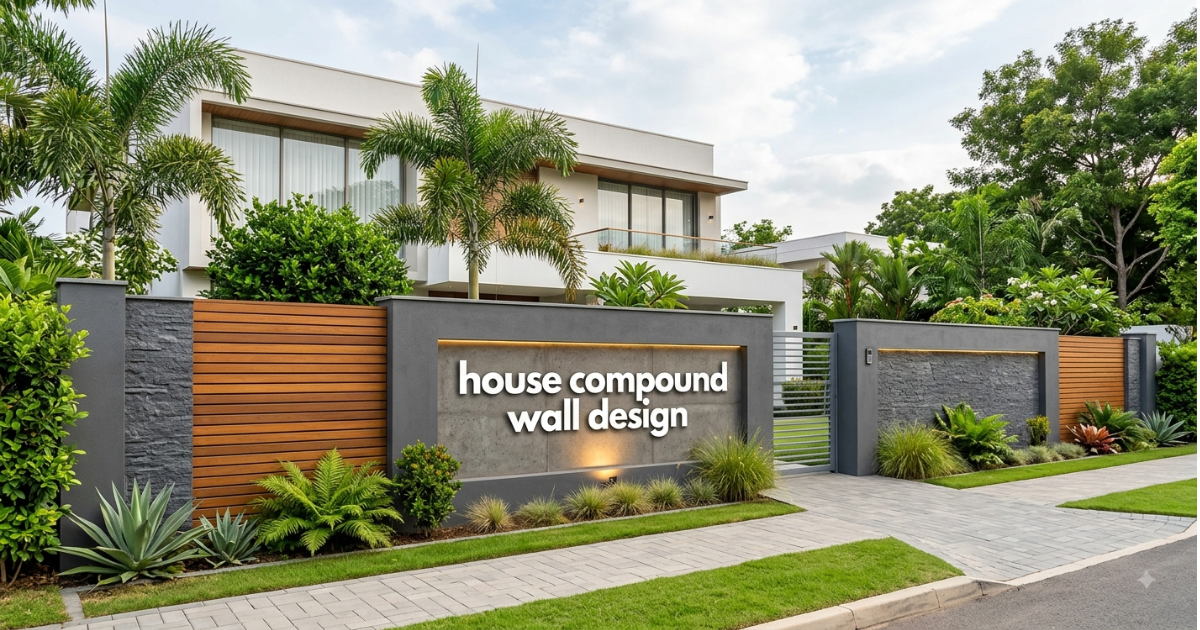
Brick Compound Wall
Brick remains one of the most trusted choices for a house compound wall design because it never really goes out of style. Exposed brick gives a warm, honest look, while a plastered or painted finish suits a cleaner, modern exterior.
Pairing brick with concrete pillars or metal panels adds a contemporary edge without losing its rustic charm. This makes brick a flexible base for almost any compound wall design idea.
Stone Tile / Stone Cladding Compound Wall
Stone tiles bring a natural, sophisticated look that painted surfaces rarely match. You don’t need to cover the entire wall — stone cladding around the entrance keeps costs reasonable while still delivering a premium feel. This approach works especially well for modern villas and homes with natural landscaping nearby.
How to Choose the Right Compound Wall Design
Start with your primary need security, privacy, or pure aesthetics. Traditional homes usually suit brick or classic detailing, while contemporary houses lean toward concrete, metal, or clean geometric patterns.
Durability matters too in any house compound wall design, since outdoor walls face rain, sun, and temperature swings. Choose materials built for your local climate, and pair strong gates with adequate construction for real protection.
Maintenance and budget deserve equal attention when planning your project. A simple concrete wall with durable finishes often costs less over the years than one fully clad in premium stone.
Factor in installation costs, finishing, and labor honestly, and don’t hesitate to consult architects or manufacturers. Their advice on materials and patterns can prevent expensive mistakes later in your project.
Masonry Compound Wall
Masonry walls remain the backbone of most residential properties and a common base for any house compound wall design. Built with bricks, cement, or laterite stone on a strong foundation, they stay stable and long-lasting for decades. Once built, they can be plastered and painted in almost any shade to match the house later.
Ornamental Compound Wall
An ornamental wall pairs a solid structure with decorative metal grills, usually in mild steel or stainless steel. Available in countless patterns, this combination delivers real decoration without ever compromising on security.
Cladding Compound Wall
Cladding is the quickest way to make an ordinary wall look expensive. Fixing marble, tiles, or stone onto a basic masonry structure gives it a luxurious, contemporary appearance almost overnight. It’s a smart shortcut for a high-end boundary wall on a working budget.
Precast Compound Wall
Precast walls solve one problem better than most options: speed. Manufactured as ready sections and simply transported to site, they install far faster than a wall built brick by brick. They still offer a wide range of durable designs and textures for any wall project plan.
Security Compound Wall
For families who put safety first, a security-focused house compound wall design changes how the whole property feels. Paired with strong entrance gates and metal grills, these walls suit busy roads or standalone plots. Controlled access matters more than pure decoration in this kind of design.
Cement Plaster Compound Wall
Cement plaster is more flexible than most people realise. It lets you carve geometric or artistic patterns directly into the wall before painting. This gives you a modern or traditional look depending on the design you choose.
PVC Board Compound Wall
PVC and fiber boards offer decoration without heavy construction. Available in many textures and patterns, they fix easily onto an existing wall. This makes them a genuinely lightweight solution for a quick refresh.
Decorative Accessories
Small details often carry the most impact in a boundary wall design. Metal, wood, or terracotta accents, used sparingly rather than covering the whole wall, keep the design interesting. Restraint usually wins over excess when adding accessories.
Water Feature Wall
A water feature built into the entrance adds something lighting and plants can’t: sound. The gentle movement of water creates a peaceful, relaxing atmosphere at the entrance. Planning it alongside your landscaping makes it feel like a natural part of the property.
Why Choose a Simple Compound Wall Design?
Simple designs are gaining popularity because they offer a clean, organized look without unnecessary decoration. A minimalist house compound wall design suits both traditional and modern houses equally well. It lifts exterior appeal, adds privacy and security, and clearly marks the property boundary while leaving room for plants and outdoor lighting.
Simple Concrete Compound Wall
A plain concrete wall is one of the easiest starting points for any home. Its clean surface takes neutral shades like white, cream, grey, or beige well. Adding horizontal grooves or thin decorative strips creates visual interest without extra cost.
Modern Horizontal Line Design
Horizontal lines are a small trick with a big visual payoff — they make a wall look wider and calmer. This suits small plots especially well within a compact wall layout. Pairing two complementary colors makes the pattern stand out even more.
Compound Wall with Metal Grills
Metal grills solve a real problem: staying secure without blocking air and light. Installed above a solid wall, they keep airflow and visibility open. Decorative screens or laser-cut panels add personality without making the wall feel busy.
Jali Compound Wall Design
Jali panels have stayed popular in Indian homes for generations because they let air and light through. They keep partial privacy intact, which is a key goal for many families choosing a house compound wall design. Available in geometric, floral, or traditional patterns, a jali section paired with a solid base creates a balanced overall look.
White and Grey Compound Wall
White and grey is a timeless pairing that ages well on almost any house. Using grey for pillars or accents, with white filling the rest, creates a clean, modern exterior. This suits minimalist, contemporary homes especially well.
Compound Wall with Wooden Accents
Wooden-look panels bring genuine warmth to a wall that might otherwise feel cold. Mixed with concrete, stone, or metal, they create a layered look for the exterior. Weather-resistant alternatives are usually smarter than real timber outdoors, since real wood demands far more maintenance.
Compound Wall with Decorative Pillars
Pillars bring structure and symmetry to an otherwise flat wall. For modern homes, rectangular pillars with clean lines generally age better than heavily decorated columns.
Modern Minimalist Compound Wall
A minimalist wall design succeeds through restraint, not decoration. It relies on simple shapes, limited colors, and clean surfaces throughout. Concrete, stone, metal, and subtle lighting come together for a genuinely sophisticated look.
Simple Compound Wall with a Stylish Gate
A beautiful wall loses its impact if the gate doesn’t match. A simple metal gate with horizontal lines suits a minimalist wall. A wooden-look gate pairs naturally with brick or stone finishes instead.
Best Colors for a Simple Compound Wall
Popular choices include white, off-white, beige, light grey, charcoal grey, brown, sandstone, and cream. Neutral tones are easier to coordinate with different house elevations. It’s usually best to pick one primary color and a single accent shade rather than juggling several.
Compound Wall Design with Plants
Plants turn an ordinary boundary wall into something people enjoy looking at. Small shrubs along the base, paired with climbing plants or wall-mounted planters, add real greenery. This works even in limited space around the property.
PP 204 Urban Fences
This design takes an ordinary pre-made compound wall and gives it a genuine modern twist. Careful spacing and arrangement of elements lift both aesthetics and safety. The result is a robust, visually appealing wall system for any house compound wall design.
DS 100 Classic
This pattern rebuilds the warmth of classic brickwork in precast format. It gives a timeless appeal that suits diverse architectural styles. Standardised brick sizing ensures a consistent, polished finish for boundary walls, landscaping, and building facades.
WP 801 7FT Royal Flora
Popular in Kerala, this design pairs strong aesthetics with real core strength and a futuristic look. Built to survive tough regional weather, it has become a favorite among homeowners and property developers. It offers a genuinely practical, durable house compound wall design for demanding climates.
Final Thoughts
The best house compound wall design is never the most expensive one; it’s the one that fits your needs. From masonry and precast panels to PVC, metal grills, wood, and jali panels, homeowners can mix materials freely. Small touches accent lighting, a vertical garden, a matching gate, or a decorative niche often make the biggest visual difference.
Whether you choose stone cladding, integrated lighting, or a clean minimalist design, the goal stays the same. Every wall design should reflect a secure space that genuinely represents your taste.
FAQs
What is the best material for a house compound wall design?
Brick, concrete, and precast panels are the most popular choices because they balance durability, cost, and appearance well.
How can I make a simple house compound wall design look more attractive?
Add accent lighting, a vertical garden, or a decorative gate small touches lift a plain wall without a full rebuild.
Is a low compound wall as secure as a tall one?
A low wall offers less privacy but can still be secure when paired with metal railings, grills, or good lighting.
How much does a house compound wall design typically cost?
Costs vary by material and finish plain concrete is the most budget-friendly, while stone cladding and precast patterns cost more.
Which colors work best for a house compound wall design?
Neutral shades like white, beige, grey, and sandstone are easiest to match with different house styles and landscaping.
