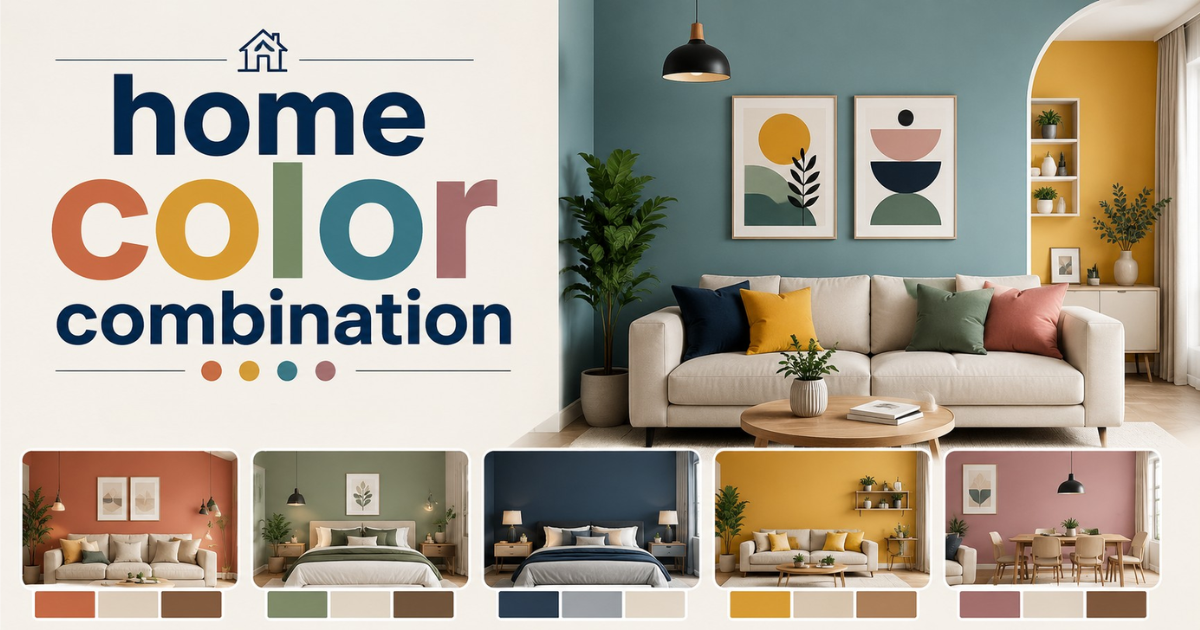
I still remember the day I stood in my living room holding two paint shade cards from Asian Paints, wondering why nobody warns you how hard a home color combination choice really is. A single color looks easy on a card, but once you factor in the harsh Indian summer sun, the monsoon humidity, room orientation, and every little architectural detail common in Indian homes, the whole decorating project turns into a real dilemma.
Your house deserves better than a rushed guess, because the front elevation is your first greeting like the first impression that tells a story before anyone even reaches the walls inside. That is why Indian brands like Asian Paints, Berger, and Nerolac keep releasing seasonal home renovation trend guides every year, tailored specifically to Indian weather and building materials.
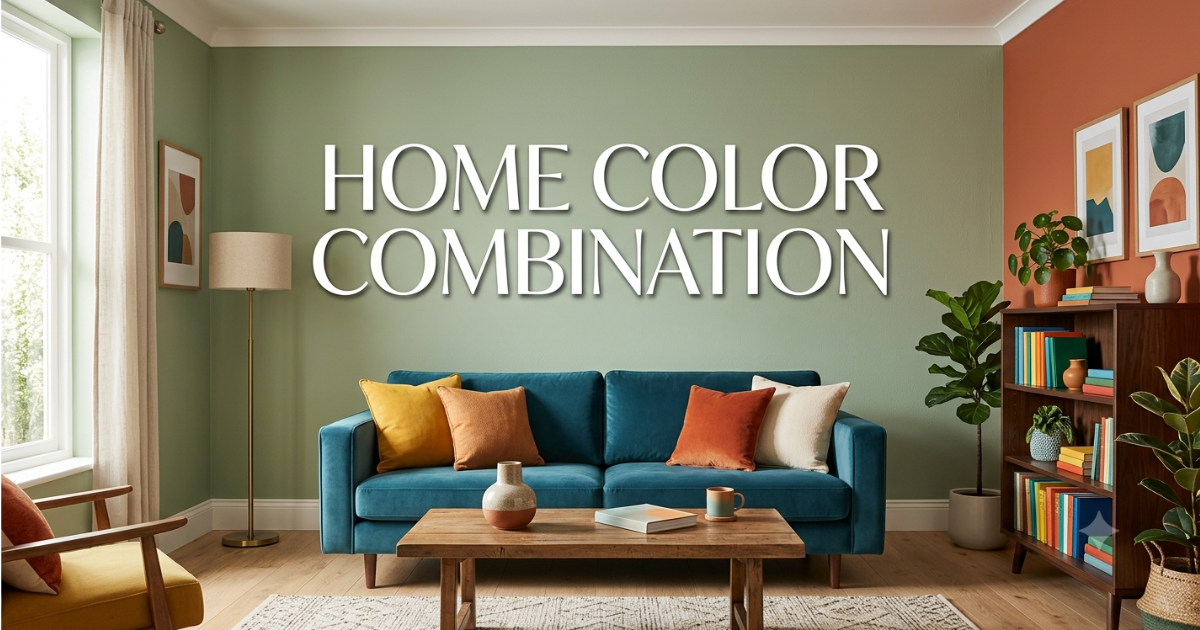
I have learned, through trial and error, that a strong paint color plan is never a straightforward task in India; it takes patience across the woodwork, the ceiling, the boundary wall, and every corner of the space and especially with monsoon-resistant exterior paints being a must in most Indian cities.
By the end of this guide, you will see how a thoughtful Indian home transforms simply because someone finally respected the decorating process instead of rushing it.
How to Choose Paint Colors for Indian Homes
Unlike homes in cooler climates, Indian homes need color choices that account for intense sunlight, dust, and monsoon moisture. Lighter, heat-reflective shades on exteriors help keep interiors cooler in cities like Delhi, Jaipur, and Nagpur, while coastal cities like Mumbai, Chennai, and Kochi need moisture-resistant, anti-fungal exterior paints such as Asian Paints Apex Ultima or Berger Weather Coat.
Interior walls deserve just as much thought. Your room’s biggest surface the walls should never be an afterthought. I tried this myself with warm mustard yellow accents on cushions and a small dhurrie rug, and the change gave the whole room a feeling of connection it never had before.
Paint also shapes geometry, not just tone. A two tone wall like cream on the bottom half, soft terracotta on top and it can make even a small Indian apartment bedroom feel more spacious and layered.
Vastu Friendly Home Color Combinations for Indian Houses
Many Indian homeowners also consider Vastu Shastra while choosing colors, since direction and mood are believed to be closely linked in traditional Indian design:
- Living Room (usually North or East facing): Light green, light blue, or white and believed to bring positivity and calm.
- Kitchen (Southeast direction): Orange, red, or brown tones for energy and warmth.
- Bedroom: Soft pink, light blue, or beige to encourage restful sleep.
- Pooja Room: White, light yellow, or cream for purity and peace.
- Main Entrance/Front Elevation: Beige, cream, or light yellow are considered auspicious welcoming shades in many Indian households.
Whether or not you personally follow Vastu, these combinations are also practically well-suited to Indian light conditions and remain some of the most searched color pairings among Indian homeowners.
Designer Color Combinations Inspired by Indian Homes
Leading Indian interior designers often blend traditional and contemporary palettes. A Mumbai-based designer recently paired a rich Indian red (jaipur red) entrance wall with warm teakwood tones — a combination rooted in North Indian haveli architecture, now popular in modern Delhi and Gurugram apartments.
In South Indian homes, deep indigo blue exteriors paired with white trims remain a Kerala and Tamil Nadu favorite, echoing traditional Chettinad-style bungalows while staying fresh for contemporary builds.
A Bengaluru-based designer recently mixed Asian Paints Royale “Terracotta Tan” with Berger “Ivory White” for a duplex living room — the warm tan bringing richness while the ivory kept the compact space feeling open and bright.
For Punjab and North Indian farmhouses, mustard yellow paired with rich brown continues to dominate front elevation trends, echoing the warmth of rural Indian architecture while suiting large boundary walls and gated designs.
Classic and Timeless Front Elevation Color Combinations
Classic White and Black remains a striking contrast, with black trims against pale walls that feel elegant and modern — equally popular in Delhi bungalows and contemporary Bengaluru villas.
Beige, Cream, and Grey bring understated sophistication, a combination widely used across Indian gated communities and builder-floor apartments because it hides dust well in India’s dry climate.
Blue and White feels fresh and calming, popular along India’s coastal belt — from Goa’s Portuguese-style homes to Kerala’s backwater bungalows.
Earthy and Nature Inspired Elevation Colors
Brown, Green, and Beige stay rooted in nature, ideal for Indian homes surrounded by greenery in cities like Pune, Dehradun, and hill-station properties.
Terracotta and Earthy Brown draws from Indian soil tones and is especially popular in Rajasthan and Gujarat’s traditional architecture.
Aquamarine and Sandy Beige feels relaxed and coastal — a favorite along Goa and Konkan coast properties.
Bold and Expressive Color Combinations
Red and Orange brings vibrant, festive energy — often chosen for homes that want to reflect India’s colorful culture, especially around Diwali and wedding-season exteriors.
Grey and Yellow gives structure with a lively edge, suiting contemporary apartments in Mumbai and Hyderabad.
Bright Yellow and White feels sunny and uplifting — a popular choice for South Indian homes that want a cheerful, welcoming façade.
Elegant and Luxurious Elevation Palettes
Deep Indigo and Silver feels rich and dramatic, popular in premium villa projects across Gurugram and Bengaluru.
Purple and Gold channels royal grandeur — reminiscent of Rajasthani palace architecture — and is a growing trend among luxury Indian farmhouses.
Steel Grey and Silver stays sleek and urban, matching modern homes in metro cities with clean architectural lines.
Soft, Calm, and Minimalist Choices
Monochromatic Grey uses multiple grey shades for a cohesive, refined exterior increasingly common in minimalist Indian apartment complexes.
Soft Grey and Pastel Pink feels gentle and balanced, popular for compact urban homes in Pune and Ahmedabad.
Sky Blue and Pale Lavender stays calm and soothing, a trending combination for Indian nurseries and young family homes.
Warm and Rustic Front Elevation Colors
Warm Orange and Rich Brown feels cozy, echoing sunsets over Indian farmland — popular for farmhouses near Lonavala and the outskirts of Delhi-NCR.
Mustard Yellow and Brown stays earthy and confident, a long-standing favorite in traditional Indian village and rustic architecture.
Contemporary Fusion Color Combinations
Teal and Charcoal Grey brings vibrancy balanced by a strong anchor tone, popular in modern Indian duplex homes.
Charcoal Grey and White feels sharp and contemporary, widely used in new-age builder projects across Tier-1 Indian cities.
Slate Grey and Wooden Accents softens cool tones with real wood textures — a rising trend in Indian interior design for 2026.
Top Indian Paint Brands to Know for Home Color Combination
- Asian Paints — India’s largest paint brand, known for Royale, Apex, and Tractor Emulsion ranges.
- Berger Paints — popular for WeatherCoat exterior range, ideal for India’s monsoon climate.
- Nerolac — trusted for Excel and Impressions ranges with strong anti-fungal properties.
- Dulux India — known for Weathershield exteriors and premium interior finishes.
Choosing a brand suited to your city’s climate (coastal, dry, or hilly) matters as much as choosing the right shade itself.
Conclusion
Every good home color combination choice for an Indian home starts with your city’s climate, then moves to architectural style, and finally considers cultural elements like Vastu testing shades under real Indian sunlight always beats guessing from a small card.
The right shades build identity and warmth, so your home does more than just stand out and it leaves a lasting impression that feels genuinely Indian, personal, and welcoming.
FAQs
Home Color Combination
How do I choose the best home color combination for my Indian home?
Start by considering your city’s climate — coastal cities need moisture-resistant paints, while northern cities benefit from heat-reflective shades. Pair a dominant wall color with one or two accent shades and test samples under real sunlight before committing.
Which colors work well together for a living room in Indian homes?
Warm neutrals like beige, cream, and soft brown pair beautifully with accent shades such as deep blue, green, or mustard yellow — a combination that also aligns well with Vastu principles for living rooms.
What is the best home color combination for a house’s exterior in India?
Classic pairings like white with black trim, or soft grey with beige, work well across most Indian architectural styles. For monsoon-prone regions, choose weatherproof brands like Berger Weather Coat or Asian Paints Apex Ultima.
Can bold shades and neutral hues work together in one Indian house?
Yes — many Indian designers keep neutral tones as the base across most rooms, then introduce one or two bold, festive colors in specific spaces like the pooja room or kitchen.
How many colors should I use in one home color combination scheme?
A good guideline is two to three key colors — a primary hue, a supporting tone, and a pop of accent color — which works well for both Indian interiors and front elevations.
Is Vastu important while choosing a home color combination?
Many Indian households do consider Vastu Shastra when picking colors for different rooms, believing certain shades bring positive energy to specific directions of the home. Even without following Vastu strictly, these combinations tend to suit Indian light and climate conditions well.
