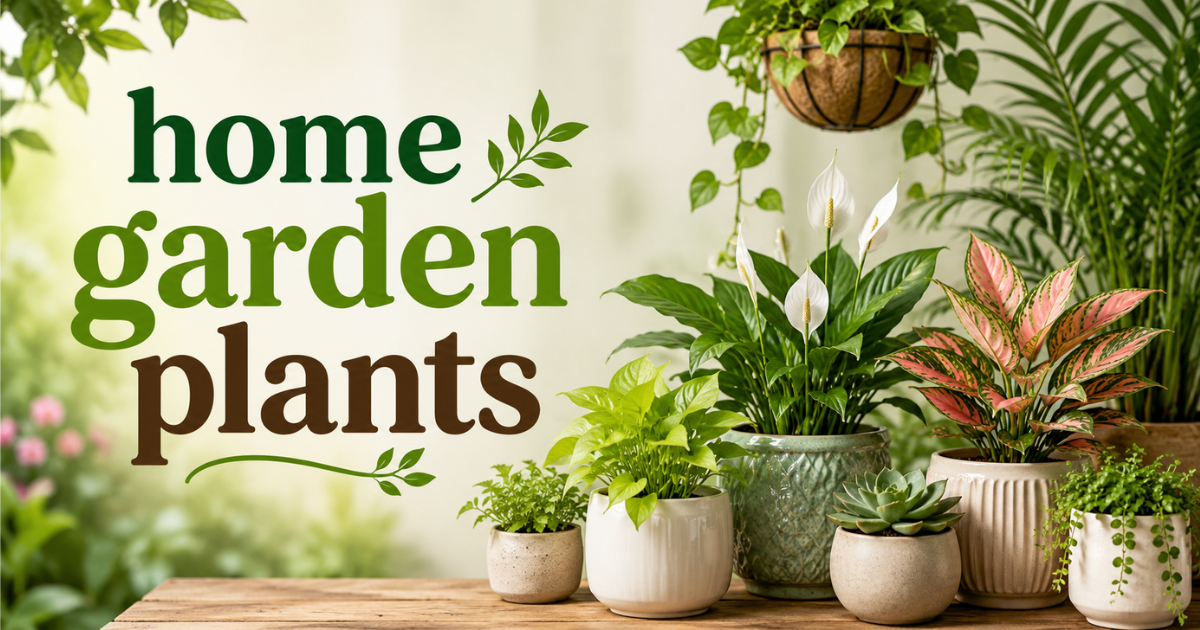
Home garden plants are not just a hobby; it is a lifestyle choice that brings calm, freshness, and real beauty into your daily routine. Choosing the right plants can completely transform the appearance of your surroundings, and once you experience that shift, you will understand why so many people become a gardening enthusiast almost overnight.
Growing a mix of indoor plants, herbs, vegetables, and colorful flowering plants gives your living environment a sense of vibrant energy that no artificial décor can match. In places with Indian weather conditions and this makes gardening in Indian climates far easier than most people assume.
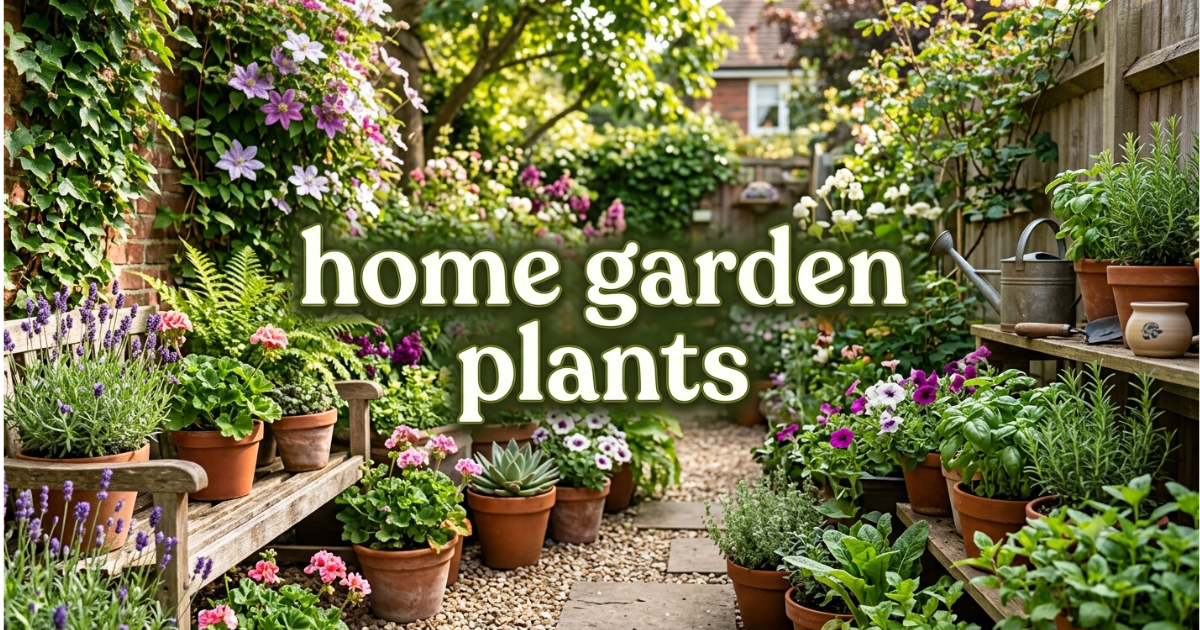
A beautiful garden, whether placed in a backyard, near a sunny window, or arranged with pots on a narrow indoor space, brings a relaxing environment for the whole family. There is a wide variety of plants that thrive in these settings, from low-maintenance greenery to full-sized flowering plants and outdoor house plants.
Benefits of Growing Home Garden Plants
Once you start caring for plants regularly, you begin to notice changes that go far beyond looks, and this is where the real magic of home gardens shows up. Plants naturally purify the air and filter harmful pollutants.
I personally noticed I could sleep better after adding a few plants to my bedroom, and that lines up with research showing plants promote better sleep, reduce stress, and improve concentration during work hours.
Many varieties also work as natural humidifiers, releasing moisture into the air and keeping rooms feeling more comfortable, especially during dry months.
There is also a practical side to all this greenery, since growing herbs and outdoor house plants gives you homegrown ingredients for daily cooking while reducing grocery expenses in a small but meaningful way.
Choosing plants suited to India’s climate makes gardening easier, and this small adjustment leads to less maintenance and stronger advantages over time. Beyond function, flowering plants and lush greenery add texture and natural beauty that boost your home’s overall appearance, creating a peaceful atmosphere that feels cooler and calmer.
Best Plants for Home & Garden
Picking the right greenery becomes so much easier once you know a few reliable names, and I always recommend starting with plants that forgive small mistakes.
The Snake Plant is one of the easiest indoor plants you can own, since it survives low light, needs only minimal watering, and quietly releases oxygen at night. The Spider Plant works wonderfully in hanging baskets and is completely safe for pets, while the Peace Lily produces elegant white flowers and helps remove indoor air pollutants from your rooms.
Aloe Vera, a hardy drought-resistant succulent, is valued for its medicinal gel and medicinal properties, and it survives happily in well-drained soil under strong sunlight with little care. The Money Plant grows in both soil and water, is linked with prosperity, and offers real purifying indoor air benefits, which explains why it sits in nearly every Indian homes living room.
The Areca Palm gives a tropical look and does well in bright indoor spaces, while Jade Plant, Pathos, Fern, Cactus, and Orchids round out a list of low-maintenance indoor greenery that even beginners can manage with easy maintenance.
Tulsi, also known as Holy Basil, holds religious significance in many households and is easy to maintain since it needs only little watering and handles direct sunlight well. For vegetable gardening, Tomatoes, Chili Peppers and Lettuce grow nicely in containers or garden beds, rewarding patient gardeners with fresh ingredients and healthy produce across the growing season.
When it comes to color, Marigolds attract beneficial pollinators while naturally repelling pests, making them ideal companion plants for vegetable and flower gardens. Roses remain a timeless favorite thanks to their timeless beauty and pleasant fragrance, while Lavender offers soothing aromas, essential oils, and natural pest control properties that many gardeners overlook.
Tips for Caring for a Healthy Garden
Keeping a healthy garden alive long-term comes down to a few simple habits that I have picked up through years of trial and error. Regular watering, proper sunlight, and occasional pruning form the backbone of any successful home garden, and skipping even one of these steps for too long can quietly hurt your plants.
Well draining soil and nutrient-rich soil matter just as much, since damage the roots from excessive watering is one of the most common mistakes new gardeners make. Fertilize plants when needed, and always remove dead leaves and complete removal of dry leaves to keep the space looking clean and to prevent disease from spreading.
Monitor for pests and stay consistent with checking for pests, since early action stops small problems from turning into healthy plants disasters. Using quality fertilizers, including bio fertilizers, neem-based fertilizers, and balanced plant nutrients, can improve flowering, deliver healthy leaf growth, and support stronger roots and greener leaves over time.
How to Choose the Right Plants
Selecting plants for your space starts with an honest look at your available space, your climate, and how much time you can realistically give to watering and pruning.
Some greenery needs full sunlight to flourish, while other varieties are perfectly happy in shade or indirect light, so understanding your home’s light pattern before purchasing plants saves a lot of trouble later
For apartments and smaller homes, hanging baskets, vertical gardens, balcony planters, and compact pots work as smart space-saving solutions that still deliver a functional landscape without crowding your rooms.
If you have room to work with, larger outdoor gardens let you combine flowering plants, shrubs, herbs, climbers, and vegetables into one colorful, layered display. Matching your maintenance preferences to the right plant type from the start is really the simplest trick for long-term success.
Why Choose Go Garden?
For anyone searching for reliable gardening products, Go Garden stands out by offering premium fertilizers built specifically for Indian growing conditions, along with genuine expert guidance for both new and experienced gardeners.
Whether you are growing flowering plants, herbs, vegetables, or indoor plants, their solutions are designed to help every plant flourish rather than just survive.
Why Buy Outdoor House Plants from Plants hub?
Plants hub brings together a genuinely wide collection of premium outdoor house plants suited to Indian homes, covering everything from ornamental greenery to medicinal varieties.
Their focus on quality and easy maintenance makes it simple to match plants to your available space, your gardening experience, and your personal decorative preferences, which honestly takes a lot of guesswork out of shopping for greenery.
Conclusion
Building a green corner at home has taught me that choosing right plants is really about patience, not perfection. From colorful Hibiscus and Roses to fragrant Jasmine, hardy Bougainvillea, and useful Aloe Vera plants are useful.
With just a little basic care, your outdoor house plants stay greener and healthier across every year, giving you a vibrant outdoor space that quietly enhances lifestyle long after the first pot goes down and platforms like Plants hub make starting that journey much simpler.
FAQs
Home garden plants
Which are the best home garden plants for beginners?
Snake Plant, Money Plant, Spider Plant, Aloe Vera, Peace Lily, and Tulsi are excellent beginner-friendly plants because they require minimal maintenance.
Which plants grow best in the Indian climate?
Tulsi, Aloe Vera, Marigold, Hibiscus, Bougainvillea, Money Plant, Roses, Tomatoes, and Chili Peppers grow well in most Indian weather conditions.
How often should I water home garden plants?
Watering depends on the plant type, season, and soil. So water is necessary for plants growth.
What are the benefits of growing plants at home?
Home garden plants improve air quality, reduce stress, promote better sleep, increase humidity, provide fresh herbs and vegetables, and enhance the beauty of your home.
How do I choose the right plants for my home?
Consider your available space, sunlight, local climate, and maintenance requirements. Choose plants that match your environment and the amount of care you can provide.
