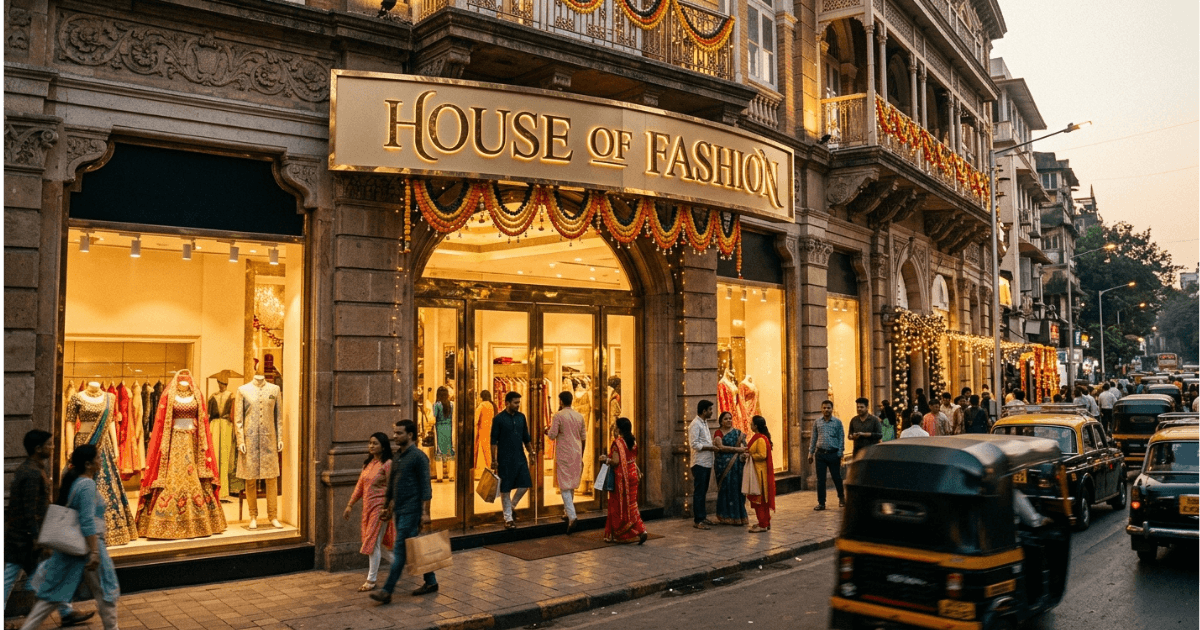
When Indian shoppers search for “house of fashion,” most are not looking for a small boutique in England or a global NFT project — they want to understand India’s own fashion house industry: the homegrown labels, designer houses, and retail chains shaping how the country dresses. This guide covers exactly that.
What Is a House of Fashion?
A fashion house, or maison de couture, is a company that designs, produces, and sells clothing and accessories built around a signature creative vision — usually led by a well-known designer. Fashion houses differ from ordinary clothing brands because of their focus on craftsmanship, exclusivity, and a recognizable design identity that carries across collections and, often, generations.
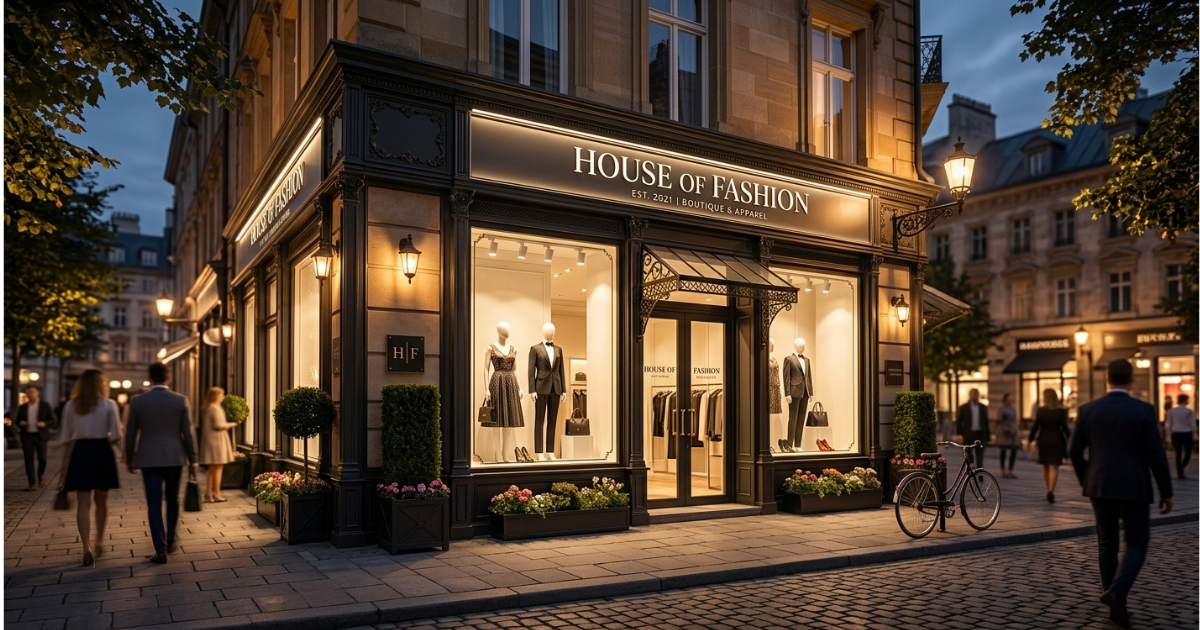
Globally, the idea dates back to Charles Frederick Worth, who opened his Paris couture house in 1858 and is often credited as the father of haute couture. Houses like Chanel (1910), Dior (1946), and Balenciaga (1917) followed, turning fashion houses into cultural institutions as much as businesses.
The Rise of House of Fashion in India
India’s fashion house industry has grown rapidly over the last two decades, blending traditional craftsmanship — embroidery, weaving, block printing — with modern silhouettes and global retail thinking. Large conglomerates such as Aditya Birla Fashion and Retail (ABFRL) and Reliance Retail have accelerated this growth by acquiring or partnering with homegrown designer labels, giving them nationwide distribution while keeping their creative identity intact.
Top House of Fashion in India
House of Anita Dongre
Founded by designer Anita Dongre in 1995 and based in Mumbai, House of Anita Dongre (HOAD) is one of India’s most established fashion houses. It specializes in bridal, couture, pret, and menswear, as well as handcrafted jewelry, offering lehengas, sarees, gowns, dresses for women, and sherwanis, bandgalas, and jackets for men, designed to incorporate traditional arts and crafts with modern styles.
In India, its network includes 286 exclusive brand stores and around 789 multi-brand large-format stores, taking it to a total of 1,075 points of sale across more than 114 cities, with an international presence in New York and Mauritius. The house also runs Anita Dongre Grassroot, a label focused on reviving heirloom craft traditions and supporting artisan communities.
House of Pataudi
Myntra launched House of Pataudi in 2018 in association with Bollywood actor Saif Ali Khan and Exceed Entertainment, with collections inspired by Saif Ali Khan’s personal style, his Pataudi lineage, and contemporary fashion. The brand offers apparel, footwear, and home segments for both men and women across its Rozana, Jashn, and Riwayat collections, and also features native crafts from artisans. The label has continued expanding its offline footprint into cities such as Bengaluru and Hyderabad.
House of Masaba
Founded by Masaba Gupta in 2009, House of Masaba Lifestyle sells under the brand name Masaba and offers a wide array of products ranging from cosmetics to clothes. In January 2022, Aditya Birla Fashion and Retail acquired a 51% stake in the label for about ₹900 million (roughly $12.14 million), as part of its push into the fast-growing premium fashion segment. The house is known for bold prints and a playful, contemporary take on Indian fashion.
The House of Rare
The House of Rare is the creative force behind brands such as Rare Rabbit and Rareism, designing, manufacturing, and retailing menswear and womenswear across a network of more than 80 stores nationwide. The label recently raised ₹24.3 million in funding to expand its product lines and retail footprint further across India.
Other Notable Names
Sabyasachi (acquired in part by ABFRL) and Fashion Factory, formerly Brand Factory, are also part of India’s evolving fashion house landscape. Fashion Factory, operated by Reliance Retail and launched in 2006, offers a wide range of apparel brands across categories for men, women, infants, accessories, cosmetics, footwear, sportswear, and luggage.
What Makes Indian House of Fashion Different
Unlike many Western House of Fashion built purely around haute couture, Indian fashion houses tend to blend three things at once: bridal and festive wear (a huge market given India’s wedding industry), everyday ready-to-wear, and a growing sustainability or craft-revival angle that supports artisan communities. Backing from large retail groups like ABFRL and Reliance has also given these houses access to large-format multi-brand stores, online platforms, and export markets, something smaller independent labels struggle to achieve on their own.
How to Shop from Indian Fashion Houses Online
Most major Indian House of Fashion now sell through their own websites as well as large e-commerce platforms and multi-brand retailers such as Myntra, Tata CLiQ, Nykaa Fashion, and Ajio. When shopping online, check the return and exchange policy carefully, as bridal and couture pieces are often non-returnable or exchange-only, while ready-to-wear lines typically follow more standard return windows.
FAQs
What does “house of fashion” mean in India?
In India, it usually refers to a designer-led fashion label or company — such as House of Anita Dongre or House of Masaba — that designs and sells clothing built around a specific creative identity, often blending Indian craftsmanship with contemporary design.
Which are the biggest fashion houses in India?
House of Anita Dongre, House of Pataudi, House of Masaba, and The House of Rare are among the most prominent, alongside labels like Sabyasachi that have partnered with large retail groups.
How is an Indian fashion house different from a regular clothing brand?
A fashion house is usually built around a specific designer’s creative vision and often works with premium fabrics, artisanal techniques, and made-to-order or limited pieces, rather than simple mass-market retail.
Can I buy from these house of fashion outside India?
Yes. Several Indian fashion houses, including House of Anita Dongre and House of Indya, ship internationally or maintain a presence in markets like the United States.
Why have large retail groups invested in Indian fashion houses?
Groups like Aditya Birla Fashion and Retail and Reliance Retail have acquired stakes in designer labels to combine strong creative brands with large-scale distribution, retail space, and manufacturing — helping homegrown houses scale nationally and internationally.
