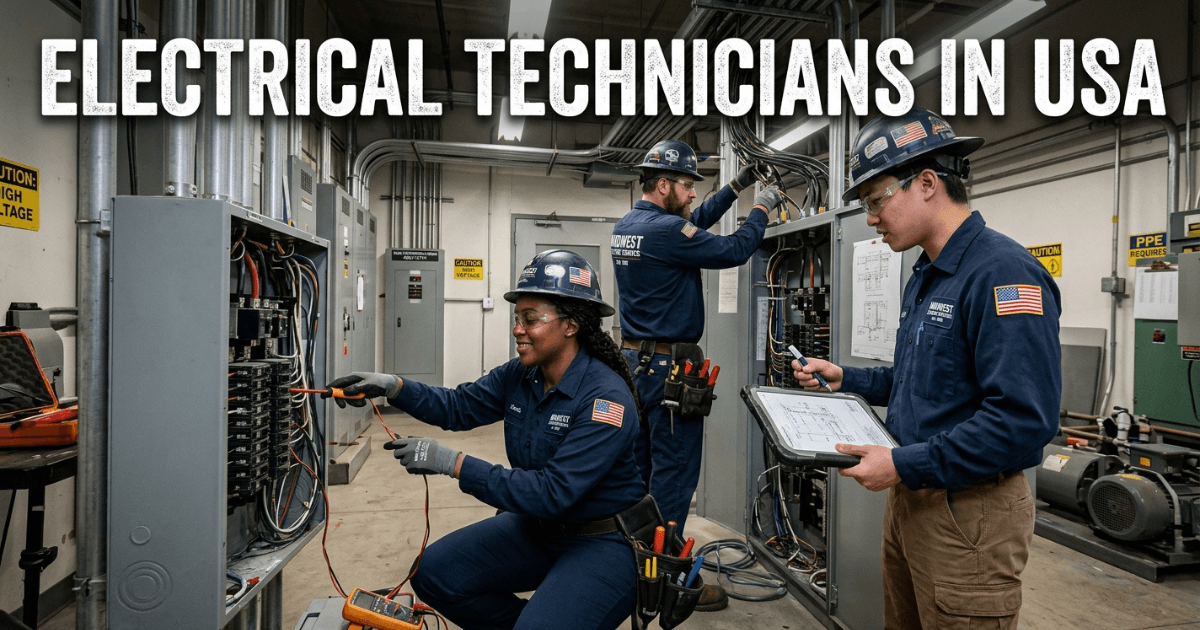
Flip a light switch or walk past a running production line, and you rely on electricity without thinking about it. Skilled professionals keep that power flowing through homes, businesses, factories and public infrastructure. The electrical technicians sit right at the center of that work.
People who spend time around workshops notice that the best technicians love solving technical problems. They install, test, maintain and troubleshoot electrical equipment before small electrical faults turn into shutdowns. That mix of thinking and practical work makes electrician technician training a strong career option for students and career changers.
What Is an Electrician Technician?
An electrician technician, often called an Electrical Technicians, works on electrical systems, electronic systems and control circuits. The exact work depends on the employer, the industry and your level of training.
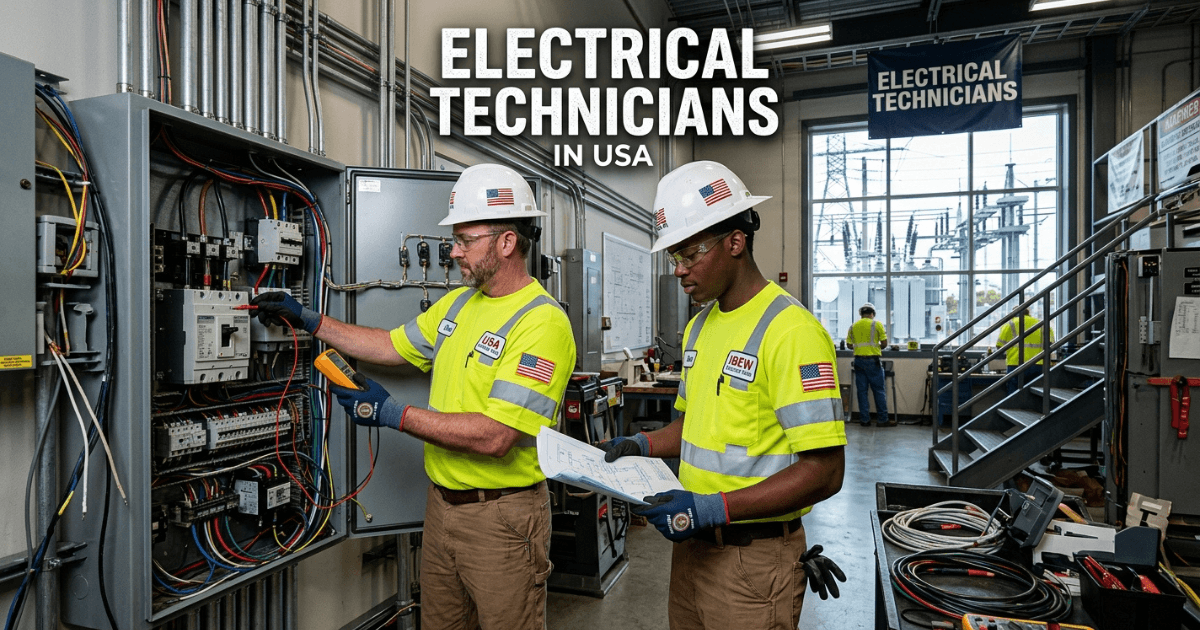
Good technicians blend theoretical knowledge with hands-on skills. They understand electrical principles, read technical diagrams and use testing instruments correctly. They also spot safety hazards before anyone gets hurt.
What Does an Electrician Technician Do?
The daily responsibilities change with the workplace, but most roles share the same core tasks. Here is what a typical week includes.
Installing and maintaining equipment: Technicians install control panels, sensors and wiring assemblies and they carry out scheduled maintenance and preventive maintenance. Regular inspections cut equipment failures and keep equipment reliability high.
Troubleshooting faults: When machines stop, the technician checks supply voltages, tests components and studies circuit diagrams to locate faults. A systematic troubleshooting process avoids needless component replacement and leads to accurate repairs.
Testing systems: Technicians use digital multi-meters and oscilloscopes to measure voltage, current and resistance. Correct instrument selection and safe testing procedures give reliable results.
Supporting automation: Many plants run on programmable logic controllers (PLCs), motors, relays and industrial control equipment. An electrician technician keeps these control systems running in automated production environments.
Following safety procedures: Dangerous voltages and stored energy carry real risk. Technicians follow electrical safety procedures and electrical codes and wear protective equipment every time, because no repair justifies skipping these steps.
Essential Skills for an Electrician Technician
Employers look for technical troubleshooting, a solid grip on electrical theory and confident instrument handling. Attention to detail prevents small wiring mistakes, and problem-solving links each symptom to a likely malfunction. These skills separate a good technician from an average one.
Clear communication helps you explain repairs to colleagues, supervisors and customers. Strong safety awareness means you spot hazards and follow approved procedures on every job. No amount of speed makes up for weak safety habits.
Electrician vs Electrical Technicians
The two job titles overlap, which confuses many beginners. An electrician focuses on installing, repairing and maintaining electrical installations, while an electrician technician leans toward testing, diagnostics and technical maintenance. The table shows the main differences.
| Feature | Electrician Technician | Electrician |
| Main focus | Testing, diagnostics and equipment maintenance | Wiring, installation and repair |
| Typical workplace | Factories, laboratories and maintenance departments | Homes, commercial buildings and construction sites |
| Training route | Technical diploma, certificate or associate degree | Trade school or apprenticeship |
| Common tools | Multi-meters, oscilloscopes and diagnostic equipment | Wire strippers, pliers, voltage testers and conduit tools |
| Licensing | Depends on the role and jurisdiction | Often required |
Industrial electricians work with machinery and motors too, and qualified technicians sometimes handle installation work. Read job descriptions carefully, because they tell you more than any job title.
How to Become an Electrician Technician
Step 1: Get the right education. Most people start with a technical diploma, certificate or associate degree in electrical technology or electronics. A good curriculum covers basic electrical theory, AC and DC circuits, electrical measurements, schematics, motors, control systems and industrial automation. Before you enroll, compare workshop facilities, course duration, fees and entry requirements.
Step 2: Build practical skills. Practical laboratory sessions and practical workshops matter more than glossy brochures. Wiring exercises, circuit testing, fault diagnosis and panel assembly turn classroom concepts into real skill. Always practise under supervision when you face hazardous voltages.
Step 3: Consider certifications. Industry certifications can strengthen your profile, such as the Certified Electronics Technician credential, OSHA safety training in the United States and IPC certifications. Not every job needs every credential. Check what local employers actually recognize.
Step 4: Gain work experience. Entry-level positions, apprenticeships and internships build workplace skills fast. Early on, you help with inspections, equipment testing and basic troubleshooting. Your specialized responsibilities then grow with your experience.
Step 5: Keep learning. Changing technology brings new diagnostic software, automation platforms and energy systems. Ongoing training keeps an electrician technician ready for advanced roles.
Electrician Training Route
Aspiring electricians usually join a trade school program or an apprenticeship. They learn wiring methods, circuit protection, grounding, blueprint reading and electrical codes under qualified professionals. Most then need supervised work experience and licensing examinations before they work alone.
Licensing and Credentials
Licensing rules change by country, state and local authority. Most jurisdictions require electrician licensing for electrical installation work. The scope of work decides which license applies.
An electrician technician may need safety credentials, employer-approved training or written authorization for specialized duties, especially in industrial environments. Check the local rules before you enroll or accept a position.
Tools of the Trade
An electrician technician carries digital multi-meters, oscilloscopes, clamp meters, insulation resistance testers and signal generators. Diagnostic software, service manuals and electrical schematics round out the kit. These testing instruments help identify faults and confirm equipment performance.
Electricians reach for insulated screwdrivers, wire strippers, crimping tools, voltage testers, fish tape and conduit-bending tools. Both trades put on personal protective equipment first and follow safe working procedures. A cheap meter on a high-energy panel puts your life at risk, so invest in properly rated gear.
Where Electrician Technicians Work
Manufacturing and industrial maintenance employ many technicians, who keep production machinery, control panels and automation equipment running. Many work shifts, because production facilities rarely stop. Telecommunications firms also hire technicians to look after power supplies and signal systems.
The energy sector covers power generation, distribution, solar energy, renewable power and backup power systems. Every charger in a network such as EV Charging Solutions Inc (EVCS) depends on electrical equipment that someone must install, test and maintain.
Day to day, you may work in workshops, laboratories or controlled indoor environments, or make field visits to customer sites. Electricians, by contrast, spend more time on construction sites, climbing ladders and working in confined spaces. The physical demands of both jobs depend on the employer and the site.
Career Opportunities and Salary
An experienced electrical technicians can move into roles such as industrial electrical maintenance technician, electrical testing technician, automation and control systems technician or field-service technician. Further education and deeper specialization lead to advanced technical positions and supervisory positions. Electricians often progress to senior electrician, supervisor or licensed electrical contractor.
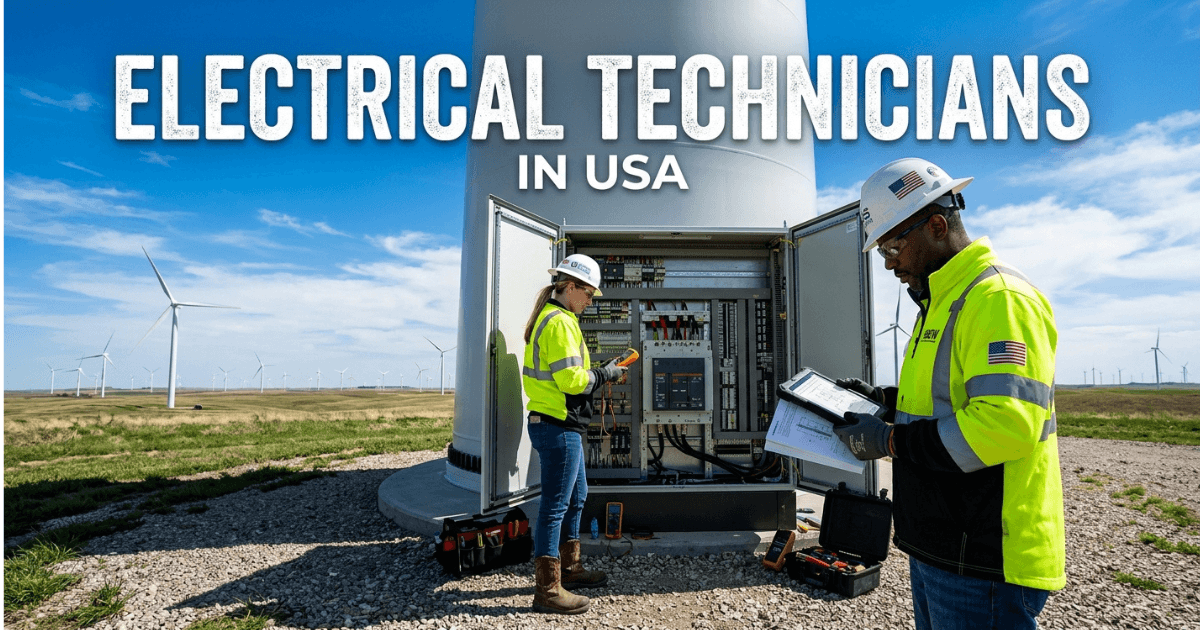
Before you apply to a charging company, read EV Solutions Inc reviews from staff and customers to get a feel for training, safety culture and workload.
No single salary fits everyone. Pay depends on location, experience, industry, working hours and overtime. Employment demand follows construction activity, industrial investment and infrastructure upgrades, so compare entry-level positions with experienced positions in your region for a realistic picture.
Is Electrician Technician a Good Career for You?
The field offers varied career paths, practical learning and plenty of specialization opportunities. The challenges are real too: electrical hazards, shift work, emergency maintenance and the need for continuing education. Weigh both sides honestly before you commit.
Choose electrical technicians training if you enjoy diagnosing electrical equipment, chasing technical faults and working with measurement instruments. Choose an electrician career if you prefer installing electrical wiring, reading construction plans and seeing a finished job by the end of the day. Either way, compare course content, total cost and accreditation before you enroll.
Conclusion
An electrician technician career suits anyone drawn to electrical systems, equipment diagnostics and industrial controls. The work blends electrical knowledge, practical testing, fault-finding and strict safety procedures. Every day brings a new puzzle, which keeps the job fresh.
To start, pick a suitable technical education program, earn useful certifications and get supervised experience. Match your interests and career goals with local job requirements to make an informed decision. Keep learning, and electrical technology will reward you with long-term professional development.
FAQs
What does Electrical Technicians do?
They test, troubleshoot and maintain electrical equipment and electronic equipment, read circuit diagrams and keep systems running safely. Daily duties depend on the employer and the industry.
Electrician or Electrical Technicians: Which Role Does What?
Electrical Technicians focus on testing, diagnostics and equipment maintenance. Electricians focus on installing and repairing electrical wiring in buildings, although their duties often overlap.
How Do You Qualify to Work as an Electrical Technicians?
Most employers prefer a technical certificate, diploma or associate degree in electrical technology or electronics. Practical experience and safety credentials also help, and requirements vary by position and location.
Can an Electrical Technicians become an electrician?
Yes. You need additional training, supervised experience, examinations and the licensing steps that apply in your area.
Can Electrical Technicians work in EV charging?
Yes. EV chargers must be installed, tested, and repaired, and many technicians move into this work after additional charger-specific training. Check EV Solutions Inc reviews and job posts from networks like EV Charging Solutions Inc (EVCS) to see what each employer expects.
